
by Sally-Anne Peterson | May 29, 2025 | Home Prices
With talks of a possible recession looming in 2025, many homeowners, buyers, and sellers are asking the same question: *What does this mean for the housing market? It’s a valid concern—after all, economic slowdowns often stir up uncertainty in real estate. But here’s the truth: a recession doesn’t always mean a housing crash. The effects of a recession on home prices can vary depending on a few key factors.
Let’s start with a basic understanding. A recession typically means there’s a slowdown in the economy—people are spending less, businesses pull back, and unemployment may rise. During times like this, some buyers pause their plans due to financial insecurity or tighter lending standards. That can lead to fewer transactions overall, especially in markets that have already cooled down.
However, fewer buyers doesn’t necessarily mean prices will plummet. One of the biggest drivers of home prices is inventory. If there are still more buyers than homes available, prices can stay steady—or even continue rising, just at a slower pace. On the flip side, if inventory spikes (say, due to homeowners rushing to sell before values drop), we could see downward pressure on prices in certain areas.
Another important factor to watch is interest rates. If the Federal Reserve lowers rates to stimulate the economy, it could actually create opportunities for buyers to get better mortgage deals. Lower monthly payments could keep demand stable, especially among first-time buyers who have been priced out in recent years. So while economic anxiety might cool demand in the short term, improved affordability could bring buyers back in sooner than expected.
Historically, real estate tends to hold up better than other assets during recessions. For example, in most of the last six U.S. recessions, home prices either stayed flat or dipped only slightly. The 2008 housing crisis is the exception—not the rule—because that recession was directly caused by problems in the mortgage and real estate sectors. Today’s market is very different: lending is more responsible, homeowners have more equity, and housing supply is still tight in many regions.
If you’re a homeowner worried about your property’s value, the key is to focus on your long-term goals. Real estate is a long game, and short-term market shifts don’t always reflect the big picture. And if you’re thinking about buying or selling, the best move is to talk with a local real estate expert who understands how your specific market is responding to the broader economy.
In the end, a recession in 2025 *could* lead to a slight cooling in home prices, especially in overheated markets—but that doesn’t automatically mean a crash. Stay informed, stay strategic, and remember: real estate thrives on smart timing and solid guidance, even in uncertain times.

by Sally-Anne Peterson | May 3, 2025 | Home Prices
Let’s face it—most of us don’t spend much time thinking about tariffs. They sound like something best left to economists and politicians, right?
But if you’re planning to buy, sell, or build a home, tariffs—especially those like the ones imposed during the Trump administration—can quietly influence the housing market in big ways. Here’s how international trade policy might affect the price of your dream home.
What Is a Tariff and Why Does It Matter?
A tariff is essentially a tax on goods imported from other countries. The goal is to make imported products more expensive so people are encouraged to buy from domestic manufacturers.
But those increased costs don’t disappear—they get passed down the line.
When tariffs are applied to materials like:
- Steel
- Aluminum
- Lumber
- Appliances
- Cabinetry
…the cost to build or renovate homes goes up. And that affects real estate prices across the board.
How Tariffs Affect New Home Construction
Tariffs hit homebuilders especially hard. When the cost of construction materials rises, developers may:
- Raise home prices
- Delay or scale back projects
- Substitute cheaper (and possibly lower-quality) materials
Let’s say a builder planned to construct 12 homes. If imported lumber and stainless steel costs jump by 15%, they’re forced to make tough choices. Most likely, they won’t eat that cost—they’ll pass it on to buyers.
This means:
- Fewer new homes are built
- Inventory shrinks
- Prices go up due to limited supply and steady demand
Tariffs and Home Renovations
It’s not just new builds that are impacted. Tariffs can make home renovations more expensive too.
Think about a homeowner planning a kitchen remodel before selling. If imported fixtures cost more due to tariffs, they may:
- Increase their asking price to cover the upgrade
- Skip the renovation, which could lower their home’s value or market appeal
Even Resale Buyers Feel the Pinch
You might think this doesn’t affect you if you’re buying an existing home. But think again.
Higher home prices—whether from new builds or increased competition—can stretch your budget. If construction slows and inventory tightens, even resale homes become more expensive.
Real Estate Is Tied to Global Trade
Tariffs don’t automatically crash or spike the housing market. Many factors influence pricing—like:
- Interest rates
- Local supply and demand
- Labor shortages
- Broader economic trends
But the key takeaway? Real estate doesn’t exist in a bubble. What happens with trade policy and tariffs can have a very real effect on your wallet.
Key Takeaways: How Tariffs Affect Home Prices
- Tariffs increase material costs, which drives up home construction and renovation prices.
- Builders often pass those costs onto buyers, leading to higher real estate prices.
- Fewer homes get built, creating limited housing inventory.
- Even existing home prices can rise due to reduced supply and higher demand.
- Global trade policy is more connected to your home-buying journey than you might think.
Final Thoughts
If you’re thinking about buying, selling, or building a home, don’t just watch mortgage rates or local listings—keep an eye on global trade policy too. What happens at international borders could impact your housing budget more than you think.

by Sally-Anne Peterson | Feb 11, 2025 | For Buyers, Home Prices
Buying a home in 2025 presents exciting opportunities for those looking to invest in their future. Whether you’re a first-time buyer or upgrading, here are the key benefits of homeownership this year:
1. Building Equity
Every mortgage payment increases your ownership in the home, helping to build wealth over time. Unlike renting, where your payments don’t offer a return, homeownership builds financial value through equity.
2. Tax Benefits
Homeowners can often deduct mortgage interest and property taxes, lowering their tax burden and saving money.
3. Stability and Predictability
A fixed-rate mortgage keeps monthly payments predictable, offering financial stability. Unlike rent, which can increase unexpectedly, a mortgage ensures you know your costs for years.
4. Potential for Appreciation
Real estate typically appreciates over time, meaning your home’s value could grow, adding to your wealth.
5. Creative Control
Homeownership allows you to renovate and personalize your space to suit your style, unlike renting where you are limited in making changes.
6. Favorable Mortgage Rates
If mortgage rates are competitive in 2025, you can lock in a low rate, saving on interest over the long term.
7. Long-Term Investment
Buying a home is a long-term investment. As you pay off your mortgage, you increase your equity, and the home’s value may appreciate, making it a smart financial move.
8. Protection Against Inflation
A fixed-rate mortgage protects you from rising rent prices, helping you maintain affordable housing costs even as inflation increases.
9. Stronger Community Ties
Homeownership helps you stay in one place, fostering a sense of community and stability that renting may not provide.
10. Space for Growth
Owning a home gives you the flexibility to expand or renovate as your needs change, whether it’s a growing family or more space for work.
Conclusion
Buying a home this year can provide financial stability, long-term investment potential, and the freedom to customize your space. If you’re ready for the responsibilities of homeownership, 2025 could be the perfect time to take that step and build your future.

by Sally-Anne Peterson | Dec 5, 2024 | Home Prices, Mortgage Rates
Owning a home is one of the most significant financial decisions many people make in their lifetime. While renting may seem like a more flexible and less burdensome option in the short term, homeownership often proves to be a more advantageous choice over time. From building equity to offering tax benefits and providing long-term financial growth, the rewards of owning a home can outweigh the initial challenges. Below, we explore why owning a home is worth it in the long run.
1. Building Equity
One of the most compelling reasons to own a home is the ability to build equity. Each mortgage payment you make increases your ownership of the property. Unlike renting, where your monthly payments contribute solely to the landlord’s profit, homeownership allows you to accumulate wealth through equity. Over time, as the value of your property appreciates and you pay down the mortgage, your financial stake in the home grows. This is a powerful way to create long-term wealth.
Additionally, property values generally rise over time, especially in desirable areas. If your home appreciates significantly, the equity you have in the property can increase substantially, providing a significant financial cushion or opportunity for profit when you decide to sell.
2. Predictable Monthly Payments
A fixed-rate mortgage provides a level of financial predictability that renting simply cannot. Renters often face annual rent increases due to market conditions or landlord decisions, which can strain a budget over time. With a fixed mortgage, however, your monthly payment stays the same throughout the term of the loan, allowing for better long-term financial planning.
This stability is particularly beneficial for individuals looking for certainty in their finances. After the mortgage is paid off, the property is yours, and you no longer need to worry about increasing rent or finding a new place to live.
3. Tax Benefits
In many countries, owning a home comes with significant tax advantages. Mortgage interest payments and property taxes are often deductible, meaning you can reduce your taxable income and, in turn, your overall tax liability. These tax benefits can make homeownership more affordable and offer you more financial flexibility.
In addition to mortgage interest deductions, homeowners may benefit from capital gains exemptions when selling their primary residence. This can help you retain a larger portion of the sale price, especially if the home has appreciated significantly in value.
4. Long-Term Financial Growth
Historically, real estate has proven to be a reliable investment that outpaces inflation, making it an attractive vehicle for long-term financial growth. Homeownership is not only a place to live but also a way to preserve and build wealth over time. As property values rise and you pay down your mortgage, you position yourself for future financial security.
Furthermore, once the mortgage is paid off, your home becomes a valuable asset that can be leveraged to fund your retirement, support future investments, or even generate income if you choose to rent it out. This growth potential provides long-term financial stability, which renting can rarely offer.
5. Personalization and Control
Owning a home gives you the freedom to personalize your living space. You can make improvements, remodel rooms, and add features that reflect your tastes and lifestyle, all of which can increase the value of the home over time. Unlike renting, where modifications are often restricted or require permission, homeownership provides complete autonomy over the property.
Whether it’s creating a dream kitchen, installing custom flooring, or building a garden, the ability to shape your home according to your needs and desires is a major advantage of owning rather than renting.
6. Stability and Community Roots
Homeownership offers stability, especially when compared to renting, where you might face unpredictable rent hikes or the possibility of being asked to move. Owning your own property provides you with long-term security, allowing you to remain in one place and create lasting memories in your home.
Additionally, owning a home can help you establish deeper roots within a community. Homeowners tend to engage more in local events and are more likely to stay in the area for the long term. This sense of belonging and commitment to the neighborhood can contribute to a greater quality of life.
7. Potential for Rental Income
In certain situations, homeownership can generate passive income. If your property has a separate unit, a basement suite, or even extra rooms, you might be able to rent them out and earn additional income. This rental income can help cover your mortgage payments, property taxes, and maintenance costs, allowing you to ease the financial burden of homeownership. In some cases, it may even become a profitable side business.
Even if you don’t have space for tenants, renting your home in the future or turning it into a vacation rental could become a lucrative way to generate income and increase your overall return on investment.
8. Psychological Benefits
Owning a home brings psychological rewards as well. It can offer a sense of accomplishment, pride, and stability. For many, the ability to own a home is a milestone that represents success and financial maturity. Moreover, a stable, personalized home provides a sense of security and comfort that renting may not offer.
The pride of ownership can also foster a stronger attachment to your home, prompting you to take better care of the property and invest in improvements that enhance its value.
9. Protection Against Rising Rent
As rent prices rise in many areas, owning a home offers a hedge against the increasing cost of housing. Renters face the constant possibility of rent hikes, which can make it difficult to budget or maintain a certain lifestyle. With homeownership, especially with a fixed-rate mortgage, you lock in your housing costs for the life of the loan.
This protection is particularly important in markets where rental prices are rising rapidly, making homeownership an attractive and potentially more affordable long-term alternative.
Bottom Line:
While owning a home requires significant upfront investment and ongoing maintenance, the long-term benefits make it a worthwhile pursuit for many. From building equity to offering tax benefits, financial growth, and stability, homeownership provides an array of advantages that renting simply cannot match. In addition, the emotional and psychological rewards of owning your home contribute to a sense of pride, security, and belonging. For those who are financially prepared, owning a home is not just a place to live—it’s an investment in your future.

by Sally-Anne Peterson | Oct 29, 2024 | Economy, For Buyers, For Sellers, Home Prices
With the 2024 Presidential election fast approaching, you might be wondering what impact, if any, it’s having on the housing market. Let’s break it down.
Election Years Bring a Temporary Slowdown
In any given year, home sales slow down slightly in the fall. It’s a typical, seasonal trend. However, according to data from BTIG, in election years there’s usually a slightly larger dip in home sales in the month leading up to Election Day (see graph below):
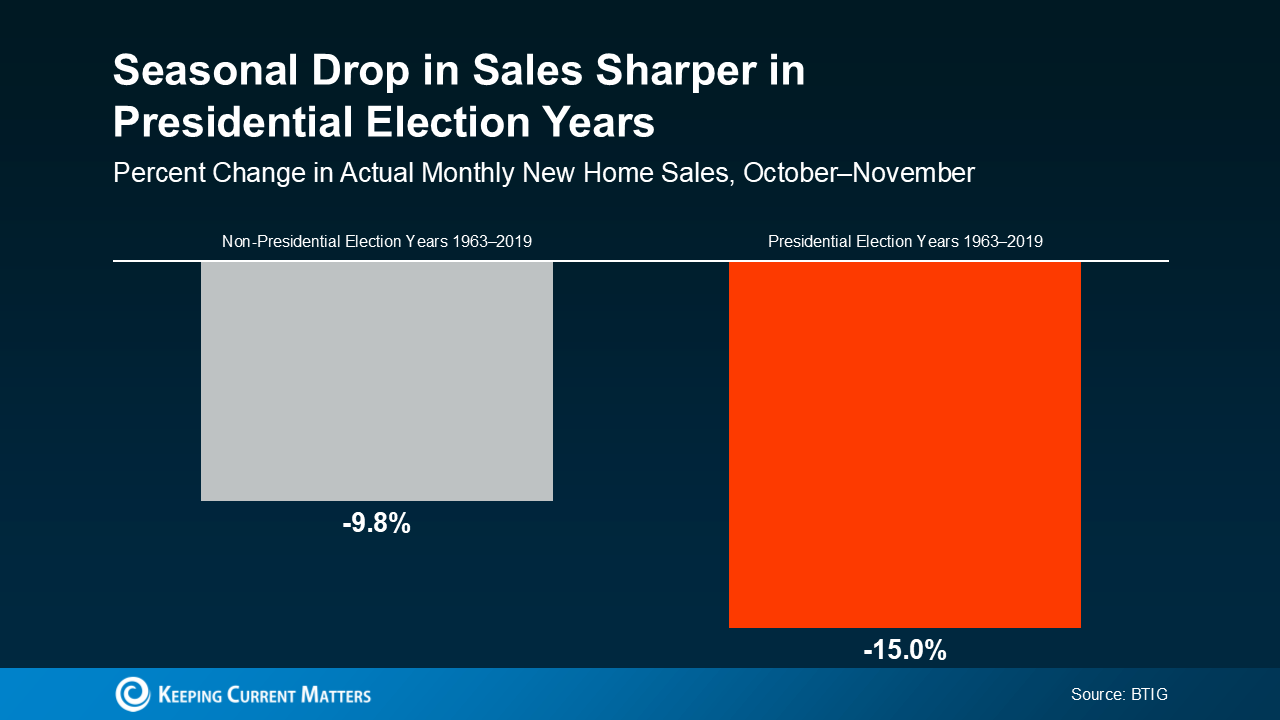 Why? Uncertainty. Many consumers hold off on making major decisions or purchases while they wait to see how the election will play out. It’s a pattern that’s shown up time and time again, and it’s particularly apparent for buyers and sellers in the housing market.
This year is no different. A recent survey from Redfin found that 23% of potential first-time homebuyers said they’re waiting until after the election to buy. That’s nearly a quarter of first-time buyers hitting the pause button, likely due to the same feelings of uncertainty.
Home Sales Bounce Back After the Election
The good news is these delayed sales aren’t lost forever—they’re just postponed. History shows sales tend to rebound after the election is over. In fact, home sales have actually increased 82% of the time in the year after the election (see chart below):
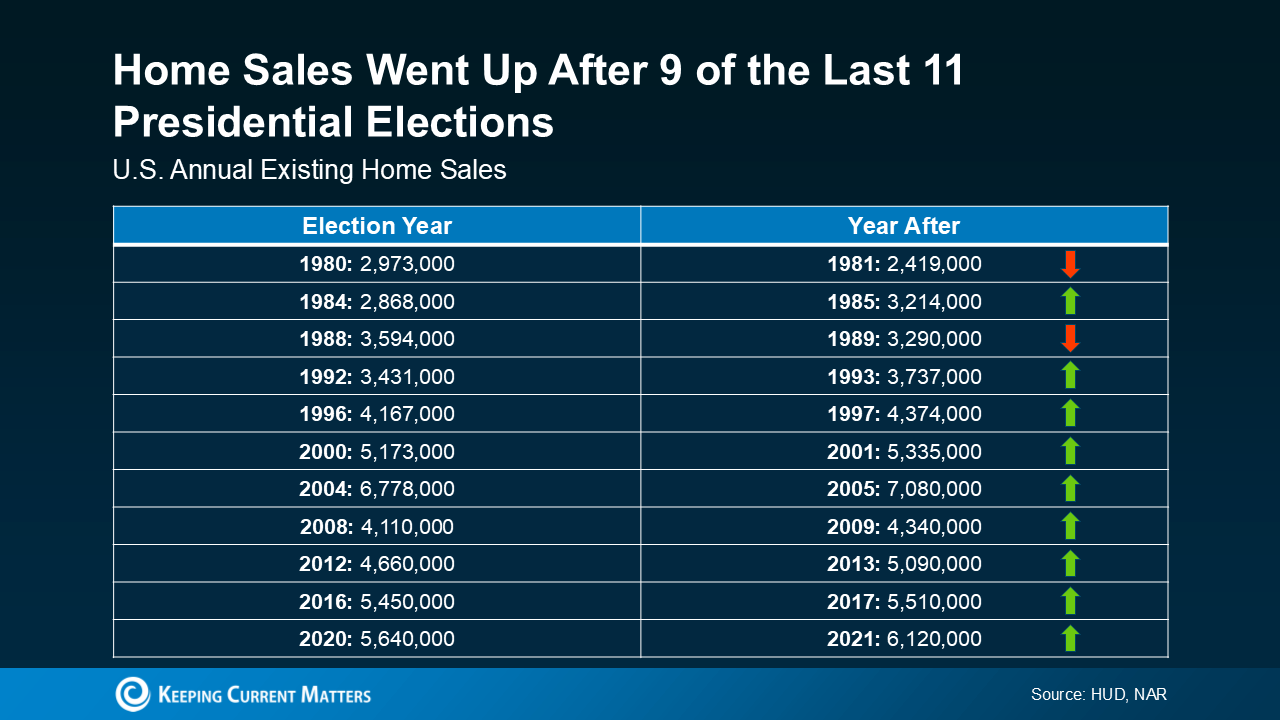 That’s because once the election dust settles, buyers and sellers have a sense of what’s ahead and generally feel more confident moving forward with their decisions. And that leads to a boost in home sales.
What To Expect in 2025
If history is any indicator, that means more homes will sell next year. And based on the latest forecasts, that’s exactly what you should expect. As the graph below shows, the housing market is on pace to sell a total of 4.6 million homes this year, and projections are for 5.2 million total sales next year (see graph below):
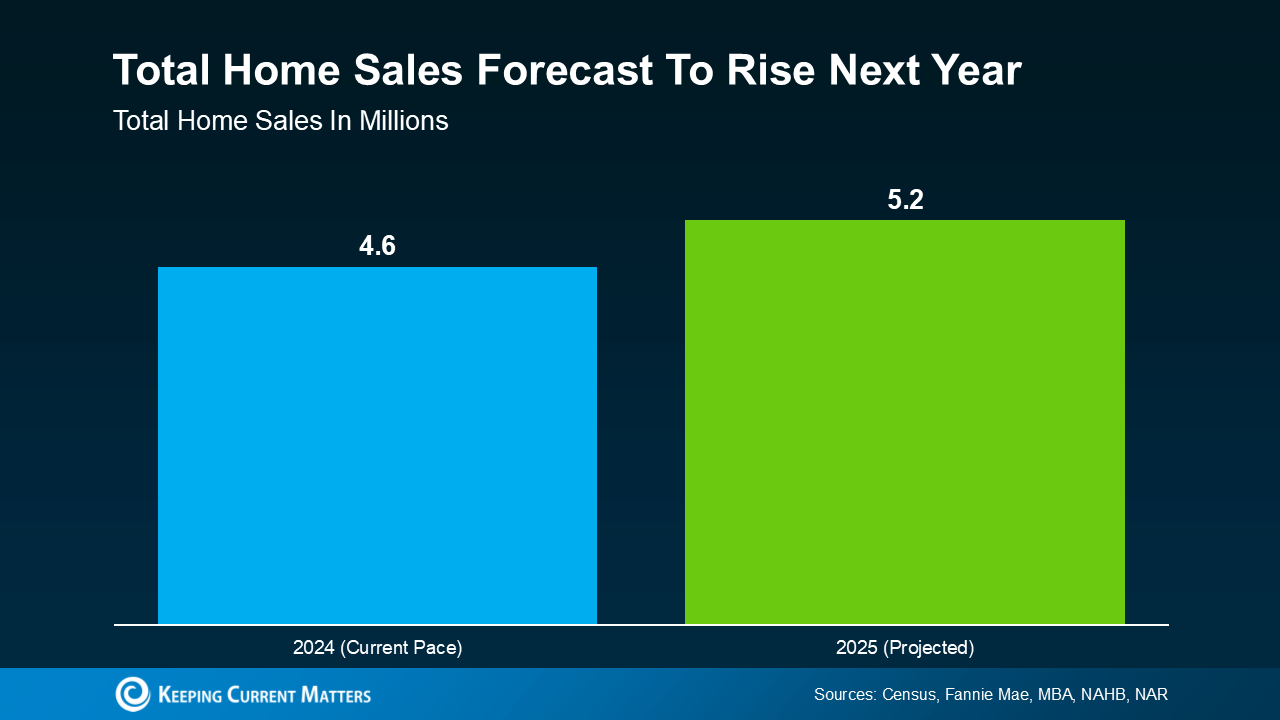 And that aligns with the typical pattern of post-election rebounds.
So, while it might feel like the market is slowing down right now, it’s more of a temporary dip rather than a long-term trend. As has been the case before, once the election uncertainty passes, buyers and sellers will return to the market.
Bottom Line
It’s important to remember that while election years often bring a short-term slowdown in the housing market, the pause is usually temporary. Those sales are not lost. Data shows home sales typically increase the year after a Presidential election, and current forecasts indicate 2025 will be no different. If you’re waiting for a clearer picture before making a move, just know that the market is expected to pick up speed in the months ahead.
